




7 Essential Tips for a Perfect Spiti Valley Itinerary 7 Days
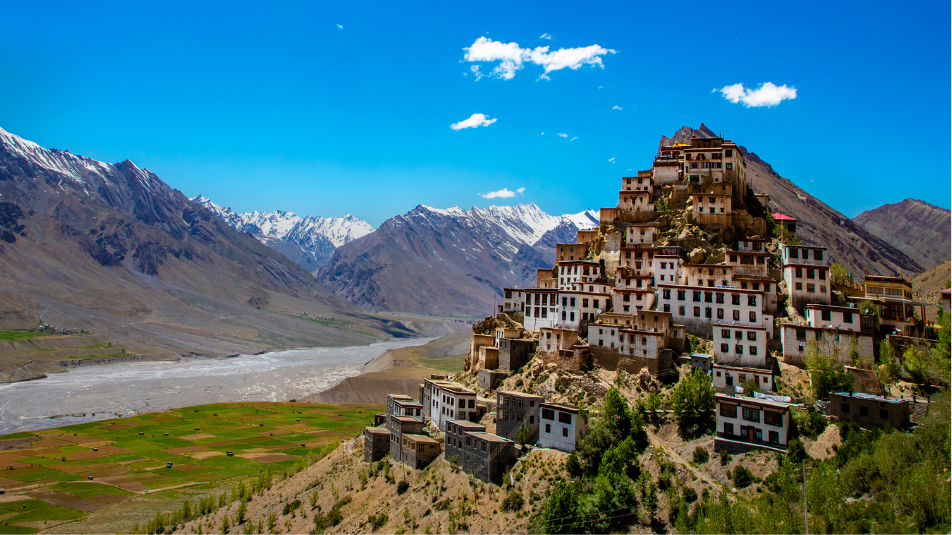
Planning a spiti valley itinerary 7 days requires thoughtful preparation to experience the raw beauty of this high-altitude desert in the Indian Himalayas. Spiti Valley, located in Himachal Pradesh, offers travelers a unique blend of ancient Buddhist monasteries, stark mountain landscapes, and vibrant local culture. Whether you’re seeking spiritual solace, adventure, or cultural immersion, a week-long journey through Spiti provides enough time to explore its hidden gems while practicing responsible travel that respects the fragile mountain ecosystem and supports local communities.
Key Takeaways
- A 7-day Spiti Valley itinerary allows you to explore major attractions including Key Monastery, Tabo, Dhankar, and Chandratal Lake while traveling at a sustainable pace.
- Choosing eco-friendly spiti valley tours and community-run homestays helps preserve the region’s delicate environment and supports local livelihoods.
- Acclimatization, proper permits, and respect for local culture are essential for a safe and meaningful journey through this high-altitude region.
Understanding Spiti Valley: Why 7 Days is the Perfect Duration
A 7-day timeframe strikes the ideal balance between comprehensive exploration and responsible travel, allowing your body to acclimatize while minimizing your environmental footprint. Rushing through Spiti in shorter trips often leads to altitude sickness and prevents meaningful cultural exchanges with local communities.
The spiti valley itinerary 7 days provides sufficient time to cover the valley’s must-visit destinations without overwhelming the fragile infrastructure. You’ll experience the stark beauty of the cold desert, interact with Buddhist monks at ancient monasteries, and witness traditional Spitian life in remote villages. This duration also allows for weather contingencies, which are common in high-altitude regions. Many spiti valley packages are designed around this week-long format, incorporating rest days for acclimatization and reducing the environmental impact of rapid tourism. According to the Himalayan Environmental Trust, travelers who spend at least six days in a region contribute 40% more to local economies through homestays, local guides, and community enterprises compared to those on shorter trips.
Day-by-Day Breakdown: The Spiti Kaleidoscope Experience
Your week in Spiti should follow a logical route that accounts for altitude gain, road conditions, and cultural immersion opportunities. Based on the proven Spiti Kaleidoscope itinerary, here’s how your sustainable adventure unfolds through dramatic landscapes and ancient villages.
Day 1: Depart from Manali, crossing the legendary Rohtang Pass and Kunzum Pass, traveling through the stunning Chandra Valley to reach Kaza, the sub-divisional headquarters of Spiti. Day 2: Explore Pin Valley for wildlife spotting and visit Giu village, home to the fascinating self-mummified monk, followed by the ancient Tabo Monastery—a 1,000-year-old UNESCO-recognized spiritual hub. Day 3: Journey to the dramatic Dhankar Monastery perched on a cliff, trek to serene Dhankar Lake, and stay overnight in the traditional village of Demul. Day 4: Discover the world’s highest inhabited villages—Komic at 4,587 meters, Hikkim with the world’s highest post office, and fossil-rich Langza village with stunning valley views. Day 5: Visit the iconic Key Monastery at 4,166 meters, explore nearby Kibber village, and cross the spectacular Chicham Bridge, Asia’s highest suspension bridge. Day 6: Trek or drive to Chandratal Lake, the crescent-shaped “Lake of the Moon,” camping under starlit skies. Day 7: Return to Manali via the Atal Tunnel, experiencing the dramatic landscape transition from high-altitude desert to lush Kullu Valley. Throughout your journey, staying in community-run homestays ensures your tourism dollars directly benefit local families while providing authentic cultural experiences.
Choosing Sustainable Spiti Valley Tour Packages
Selecting the right tour operator makes the difference between extracting from the valley and contributing to its long-term preservation. Responsible spiti tour package providers prioritize small group sizes, local employment, and environmental conservation.
When evaluating spiti valley tour package options, look for operators who follow Leave No Trace principles, employ local guides, and support community development projects. Organizations like Spiti Ecosphere design itineraries that include waste management education, visits to conservation projects, and stays in eco-friendly accommodations. These packages typically cost slightly more than conventional tours but ensure that your visit creates positive impact. A 2024 study by the Indian Institute of Mountain Studies found that responsible tourism initiatives in Spiti have generated 35% more income for local households compared to traditional tourism models. Quality tour packages also include proper acclimatization schedules, reducing health risks and ensuring you fully experience each destination. They coordinate permits for restricted areas, arrange oxygen cylinders for emergencies, and maintain communication equipment in remote locations where mobile networks are unavailable.
Essential Preparation: What to Pack and Know Before You Go
Proper preparation ensures your safety, comfort, and ability to travel responsibly in Spiti’s extreme conditions where temperatures can range from -30°C in winter to 25°C in summer. The high-altitude desert environment requires specific gear and mindset adjustments.
Pack layers including thermal wear, a quality down jacket, waterproof outer shell, and sun protection (SPF 50+ sunscreen, sunglasses, lip balm). Carry reusable water bottles and purification tablets to minimize plastic waste—Spiti generates approximately 3 tons of plastic waste daily during peak season, according to the Spiti Valley Waste Management Initiative. Include a basic first-aid kit with altitude sickness medication (consult your doctor), though many organized spiti valley tours provide medical support. Obtain Inner Line Permits (available online or at district headquarters) for restricted areas. Bring sufficient cash, as ATMs are limited and often non-functional. Download offline maps and essential phone numbers. Most importantly, prepare mentally for basic facilities, limited connectivity (embrace the digital detox!), and the patience required for mountain travel where landslides and weather can alter plans. Learning basic Spitian phrases like “Jullay” (hello/thank you) shows respect for local culture.
Cultural Immersion and Responsible Tourism Practices
The true essence of Spiti reveals itself through meaningful interactions with local communities and mindful travel practices that preserve the valley’s cultural integrity. Your behavior as a visitor directly impacts whether future generations of Spitians can maintain their traditional lifestyle.
When visiting monasteries, dress modestly, remove shoes before entering prayer halls, always walk clockwise around stupas and prayer wheels, and ask permission before photographing monks or religious ceremonies. Support local artisans by purchasing handicrafts directly from makers rather than middlemen shops. Eat at local restaurants and homestays where meals are prepared with locally grown ingredients—barley, peas, and potatoes form the staple diet, supplemented by yak products. Participate in cultural experiences like learning traditional Spitian cooking or spinning yak wool rather than merely observing from a distance. Be mindful of water usage, as it’s an increasingly scarce resource; the region receives less than 250mm annual rainfall. Dispose of waste properly—carry a small bag for your trash until you reach proper disposal facilities. Avoid single-use plastics entirely. According to research on Spiti Valley, tourists who engage in cultural exchange programs report 90% higher satisfaction levels and create 60% more economic value for host communities compared to those on conventional sightseeing tours.
Beyond the Itinerary: Making Your Trip Meaningful
Transform your visit from mere tourism to purposeful travel by engaging with conservation efforts, volunteer opportunities, and long-term community support. Many travelers return to Spiti year after year, developing lasting relationships with local families and contributing to valley-wide initiatives.
Consider extending your trip with volunteer programs in education, healthcare, or environmental conservation. Teaching English at local schools, participating in waste collection drives, or assisting with sustainable agriculture projects add depth to your experience while creating tangible benefits. Document your journey responsibly—share stories that highlight local culture and conservation efforts rather than focusing solely on scenic selfies. Your social media presence can inspire others to travel responsibly. Upon returning home, continue supporting Spitian communities through organizations that fund education, healthcare, and renewable energy projects. Share your experiences with friends, but encourage quality over quantity—fewer, more conscious travelers benefit Spiti more than mass tourism. Join online communities of Spiti enthusiasts who organize resource drives, sponsor local children’s education, or fund monastery restorations. Your spiti valley trip can be the beginning of a lifelong connection to this remarkable region and its resilient people.
Conclusion
A well-planned spiti valley itinerary 7 days offers more than breathtaking landscapes and ancient monasteries—it provides an opportunity to travel with purpose, supporting fragile mountain communities while experiencing one of India’s most pristine wilderness areas. By choosing responsible tour operators, respecting local culture, minimizing environmental impact, and engaging meaningfully with communities, you transform your journey into a force for positive change. Spiti’s raw beauty and spiritual tranquility will leave an indelible mark on your soul, but equally important is the mark you leave on Spiti. Plan thoughtfully, travel slowly, and let this remarkable valley change your perspective on what travel can mean. Ready to embark on your sustainable Himalayan adventure? Explore eco-friendly tour options that prioritize community welfare and environmental conservation.
Frequently Asked Questions
What is the best time to visit Spiti Valley for a 7-day trip?
The best time for a 7-day Spiti Valley trip is from May to October when roads are accessible and weather is favorable. June to September offers pleasant temperatures, clear skies, and open high-altitude passes, making it ideal for exploring monasteries, lakes, and villages comfortably.
How much does a 7-day Spiti Valley tour package typically cost?
A 7-day Spiti Valley tour package ranges from ₹25,000 to ₹45,000 per person, depending on accommodation type, group size, and inclusions. Eco-friendly packages with community homestays and sustainable practices may cost slightly more but ensure your money supports local families and conservation efforts directly.
Is altitude sickness a concern during a 7-day Spiti itinerary?
Yes, altitude sickness can occur as Spiti Valley sits between 3,000 to 4,500 meters elevation. A 7-day itinerary with proper acclimatization days significantly reduces risks. Stay hydrated, ascend gradually, avoid alcohol, and carry altitude sickness medication after consulting your doctor for a safe journey.
What are the must-visit places in a 7-day Spiti Valley itinerary?
Essential destinations include Key Monastery, Tabo Monastery (UNESCO heritage site), Dhankar Monastery and Lake, Kaza town, Kibber village, Pin Valley National Park, and Chandratal Lake. These locations offer diverse experiences from Buddhist culture and wildlife to stunning high-altitude landscapes within a week’s timeframe.
Can I do a 7-day Spiti trip solo or should I join a tour?
Both options work, but joining organized spiti valley tours offers advantages including local expertise, emergency support, pre-arranged permits, and group cost-sharing. Solo travelers need experience with high-altitude driving, route planning, and should inform others of their itinerary for safety in remote areas.
What permits are required for a 7-day Spiti Valley trip?
Indian nationals do not require any permits to visit Spiti Valley. Foreign nationals need inner line permits for certain border villages, which can be obtained from Kaza SDM office or through registered tour operators.
How should I prepare for limited connectivity during my Spiti trip?
Download offline maps, essential documents, and emergency contacts before departure. Jio and Airtel has the best coverage, though connectivity remains spotty. Inform family about communication gaps, carry power banks, and embrace the digital detox as an opportunity to connect with nature and local culture meaningfully.
What is the road condition like for a 7-day Spiti Valley journey?
Roads vary from paved highways to rough mountain tracks with steep drops, narrow passages, and stream crossings. Landslides are common during monsoons. Hire experienced drivers familiar with mountain terrain, or join guided safari tours with proper vehicles for safety and stress-free travel through challenging sections.
Are there eco-friendly accommodation options throughout the 7-day route?
Yes, numerous community-run homestays and eco-lodges operate throughout Spiti Valley, offering authentic experiences while supporting local economies. These accommodations practice waste management, use solar energy where possible, and provide traditional Spitian meals. Booking through responsible operators ensures verified sustainable stays along your entire route.
What should I do if weather disrupts my 7-day Spiti itinerary?
Build flexibility into your schedule as weather changes rapidly in mountains. Keep buffer days, maintain communication with your driver or tour operator, follow local advice, and prioritize safety over sightseeing. Many travelers extend their stay, discovering hidden gems when forced to wait out weather conditions.