



Kaza Spiti Tour Package: Your Complete Travel Guide
Planning a Kaza Spiti tour package requires careful consideration of routes, seasons, and sustainable travel practices. Kaza, the administrative capital of Spiti Valley, sits at 3,650 meters and offers an authentic Himalayan experience combining ancient monasteries, high-altitude desert landscapes, and vibrant local culture. This guide helps you choose the right tour package while supporting community-led conservation efforts and responsible tourism practices that preserve the fragile mountain ecosystem for future generations.
Key Takeaways
- Kaza tour packages range from 6 to 12 days, with options for summer treks and winter snow experiences that showcase the valley’s dramatic seasonal transformations.
- Responsible Kaza tour packages prioritize community homestays, waste reduction, and cultural immersion over conventional tourism, creating meaningful local economic impact.
- May to October is ideal for summer Spiti with accessible roads and pleasant weather, while December to April offers authentic winter experiences including snow leopard encounters.
Why Choose a Kaza Spiti Tour Package Over Independent Travel
Organized tour packages to Kaza provide essential logistical support, local expertise, and safety measures that independent travelers often struggle to arrange in this remote high-altitude region where infrastructure is limited and weather conditions can change rapidly.
A well-planned kaza spiti tour package addresses critical challenges like altitude acclimatization, permit requirements, and transportation across unpredictable mountain roads. Professional guides understand the nuances of traveling in oxygen-scarce environments and can identify early signs of altitude sickness. They also maintain relationships with local communities, ensuring authentic cultural exchanges rather than superficial tourist interactions. Moreover, group tours significantly reduce the environmental footprint through shared transportation and coordinated waste management systems. Fixed departure tours combine the benefits of structured itineraries with the flexibility to engage deeply with local traditions, making them ideal for first-time visitors to Spiti Valley.
Popular Routes: Manali to Kaza Tour Packages Explained
The manali to kaza tour packages traverse the dramatic Kunzum Pass, offering spectacular mountain vistas, glacial valleys, and opportunities to visit ancient monasteries like Key and Tabo along the 200-kilometer journey through changing landscapes.
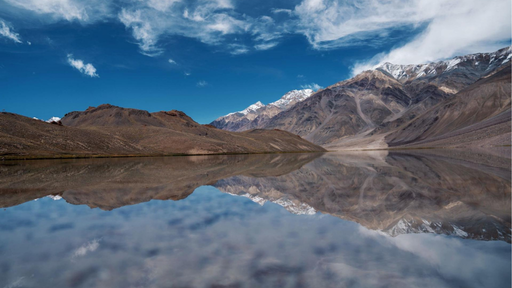
This classic route typically takes 7 to 9 days and includes stops at Chandratal Lake, often called the “Moon Lake” for its crescent shape and crystal-clear waters reflecting surrounding peaks. The journey passes through Lahaul Valley before ascending to Spiti, providing natural acclimatization stages. Travelers witness the transition from green valleys to high-altitude desert terrain, with vegetation becoming sparse as elevation increases. Key Monastery, perched at 4,166 meters, serves as a cultural highlight where monks maintain centuries-old Buddhist traditions. The route also includes villages like Kibber and Langza, where local families run homestays that directly benefit from tourism revenue. According to recent tourism data, this route attracts over 15,000 travelers annually, making it essential to choose operators committed to responsible travel practices that minimize environmental impact.
Winter Spiti Tour Packages: What to Expect
Winter spiti tour packages from December to March transform the valley into a snow-covered wonderland, offering rare wildlife sightings including snow leopards, frozen waterfalls,across the frozen Spiti River.
Winter tourism in Spiti presents extraordinary opportunities alongside significant challenges. Temperatures plunge to -30°C, and road access from Manali closes, making Shimla the only viable entry point via the Hindustan-Tibet Road. This season attracts adventure enthusiasts seeking solitude and pristine winter landscapes absent of summer crowds. The village of Kibber, one of the world’s highest inhabited settlements, becomes a base for snow leopard expeditions, with expert trackers helping visitors spot these elusive cats hunting ibex on snowy slopes. Winter also showcases Spiti’s Buddhist festivals, including Losar (Tibetan New Year) celebrations with masked dances and traditional ceremonies. However, winter packages require specialized equipment, experienced guides, and flexible schedules due to weather unpredictability. Travelers must understand that winter tourism, while breathtaking, demands physical endurance and mental preparedness for extreme conditions that test even seasoned adventurers.
Kalpa Kaza Tour: Combining Kinnaur and Spiti Valleys
A kalpa kaza tour combines the lush apple orchards and wooden architecture of Kinnaur’s Kalpa village with Spiti’s stark desert beauty, creating a comprehensive 10 to 14-day Himalayan circuit showcasing diverse cultures and ecosystems.
This extended route begins in Shimla, ascending through Kinnaur Valley where terraced fields contrast sharply with Spiti’s barren landscapes ahead. Kalpa, situated at 2,960 meters, offers stunning views of the Kinner Kailash range and serves as an ideal acclimatization stop before crossing into Spiti. The journey includes architectural marvels like the Kamru Fort and ancient villages where Hinduism and Buddhism blend seamlessly. Kinnaur Spiti safari packages typically include stops at Nako Lake, Tabo Monastery (over 1,000 years old), and Pin Valley National Park, known for snow leopard and ibex populations. This route provides deeper cultural immersion, allowing travelers to witness the gradual shift from Hindu-influenced Kinnaur to Buddhist-dominated Spiti. The diversity in landscape, climate, and culture along this circuit makes it ideal for photographers, cultural enthusiasts, and those seeking comprehensive exposure to Himalayan life beyond typical tourist corridors.
What’s Included in a Responsible Kaza Tour Package
Sustainable tour packages include community homestays, locally sourced meals, waste management provisions, cultural orientation sessions, and contributions to conservation projects, ensuring tourism revenue directly benefits Spiti’s residents and environmental protection efforts.
Responsible operators prioritize accommodations that keep money within local economies rather than external hotel chains. Meals feature traditional dishes prepared with locally grown ingredients like barley, peas, and apricots, supporting regional agriculture. Waste management becomes critical in areas lacking municipal infrastructure; quality packages provide waste collection systems and educate travelers on leaving no trace. Cultural sensitivity training helps visitors respect Buddhist customs, sacred sites, and local traditions, preventing unintentional offense. Additionally, eco-conscious packages include carbon offset contributions, support for renewable energy initiatives, and partnerships with community organizations working on water conservation and wildlife protection. Comprehensive 6-day itineraries often feature immersive local experiences like cooking traditional Spitian meals, learning to spin yak rope, and sessions with an Amchi (traditional Spitian doctor) to understand indigenous healing practices. This approach transforms tourism from extractive consumption into meaningful exchange that preserves Spiti’s cultural heritage and natural environment while providing authentic experiences that conventional packages cannot match.
Best Time to Book Your Kaza Spiti Tour Package
Early booking for summer packages ensures optimal pricing and availability during peak season, while winter expeditions require advance planning due to limited group sizes and specialized logistics for extreme weather conditions that demand careful preparation.
Peak season (June-August) sees maximum tourist influx when roads are fully accessible and weather is most stable, with daytime temperatures ranging from 15-20°C. This period offers the best conditions for high-altitude treks, monastery visits, and cultural festivals. However, early bookings are essential as quality homestays and responsible tour operators reach capacity quickly. The shoulder months of May and September provide excellent alternatives with fewer crowds, lower prices, and pleasant weather, though some high passes may remain snow-covered in May. For winter enthusiasts seeking winter spiti tour packages, advance planning is crucial as winter groups are intentionally small (8-12 people) to ensure safety and minimize impact on villages with limited winter resources. Consider that monsoon affects only the approach routes through Shimla and Manali, not Spiti itself, which lies in a rain shadow receiving minimal rainfall annually.
Cost Factors and What Influences Kaza Tour Package Pricing
Tour package costs vary from ₹25,000 to ₹75,000 depending on duration, season, accommodation standards, group size, and included activities, with responsible operators charging premium rates that reflect fair wages for local guides and community contributions.
Budget packages (₹25,000-35,000 for 6-7 days) typically use basic guesthouses, larger groups, and limited inclusions, while mid-range options (₹40,000-55,000) offer comfortable homestays, smaller groups, and comprehensive meal plans. Premium packages (₹60,000-75,000+) include private transport, expert naturalist guides, specialized activities like photography workshops, and extended itineraries. Winter packages cost 20-30% more due to specialized gear requirements, limited access, and higher risks necessitating experienced guides. Hidden costs to consider include permit fees (approximately ₹500-1,000), emergency evacuation insurance, and personal gear rental.According to sustainable tourism research, travelers investing in responsible packages contribute 3-4 times more to local economies compared to budget tourism that concentrates spending in external supply chains, making the premium worthwhile for conscious travelers.
Conclusion
Selecting the right kaza spiti tour package transforms a simple vacation into a meaningful journey that supports mountain communities and protects fragile ecosystems. Whether you choose summer explorations of ancient monasteries, winter spiti tour packages for snow leopard encounters, or extended kalpa kaza tours combining diverse valleys, prioritizing responsible operators ensures your travel creates positive impact. The spectacular landscapes, rich Buddhist heritage, and warm hospitality of Spiti Valley await those willing to travel mindfully. Start planning your sustainable Himalayan adventure today and discover why Kaza remains one of India’s most transformative destinations for conscious travelers.
Ready to explore Spiti responsibly? Learn more about Spiti Valley’s unique culture and landscapes and discover how community-led tourism preserves this remarkable region for future generations.
Frequently Asked Questions
What is the best time to visit Kaza in Spiti Valley?
The best time to visit Kaza is from May to October for summer experiences when roads are accessible and weather is pleasant. For winter Spiti, November to April offers unique snow landscapes, though December to February provides the best snow leopard sightings and authentic winter village life experiences.
How many days do I need for a Kaza tour package?
A comprehensive Kaza tour typically requires 6 to 8 days to properly acclimatize and explore key attractions. Shorter 5-day packages cover main highlights, while extended 10-12 day tours include trekking, cultural immersion, and visits to remote villages throughout Spiti.
Are winter Spiti tour packages safe for travelers?
Winter packages are safe when booked with experienced operators who provide specialized equipment and trained guides. Travelers must be physically fit, prepared for extreme cold (-30°C), and flexible with itineraries due to unpredictable weather affecting road conditions and accessibility.
What should I pack for a Kaza Spiti tour package?
Essential items include layered thermal clothing, waterproof jackets, sturdy trekking boots, sunscreen (SPF 50+), sunglasses, and altitude sickness medication. Winter travelers need additional insulated gear, sleeping bags rated for -20°C, and hand warmers for extreme cold protection.
Do I need permits for visiting Kaza and Spiti Valley?
Indian nationals do not require any permits to visit Spiti Valley. Foreign nationals need inner line permits for certain border villages, which can be obtained from Kaza SDM office or through registered tour operators.
How does altitude affect travelers in Kaza?
Kaza sits at 3,650 meters where oxygen levels are approximately 40% lower than sea level. Common symptoms include headaches, breathlessness, and fatigue. Proper acclimatization through gradual ascent, hydration, and rest days significantly reduces altitude sickness risks for most visitors.
What makes Manali to Kaza tour packages popular?
The Manali-Kaza route offers spectacular scenery through Rohtang Pass, Kunzum Pass, and Chandratal Lake, combining adventure with cultural experiences. This 200-kilometer journey showcases dramatic landscape transitions from green valleys to high-altitude desert while visiting ancient Buddhist monasteries.
Can I visit Kaza during monsoon season?
Spiti Valley receives minimal rainfall due to its rain shadow location, making monsoon visits feasible. However, approach routes through Manali and Shimla experience heavy rains causing landslides and road closures. September offers post-monsoon clarity with accessible roads and pleasant weather.
What cultural experiences are included in Kaza tour packages?
Responsible packages include monastery visits with monk interactions, traditional homestay experiences, local cuisine cooking classes, and participation in community conservation activities. These immersive experiences directly support local livelihoods while preserving Spitian Buddhist heritage and mountain traditions.
How do I choose a responsible Kaza tour operator?
Look for operators prioritizing community homestays, transparent cost breakdowns showing local contributions, waste management systems, and small group sizes. Certifications from sustainable tourism organizations, positive reviews emphasizing cultural respect, and clear environmental policies indicate commitment to responsible practices.