



Spiti Valley Bike Trip Package: Plan Your Perfect Adventure
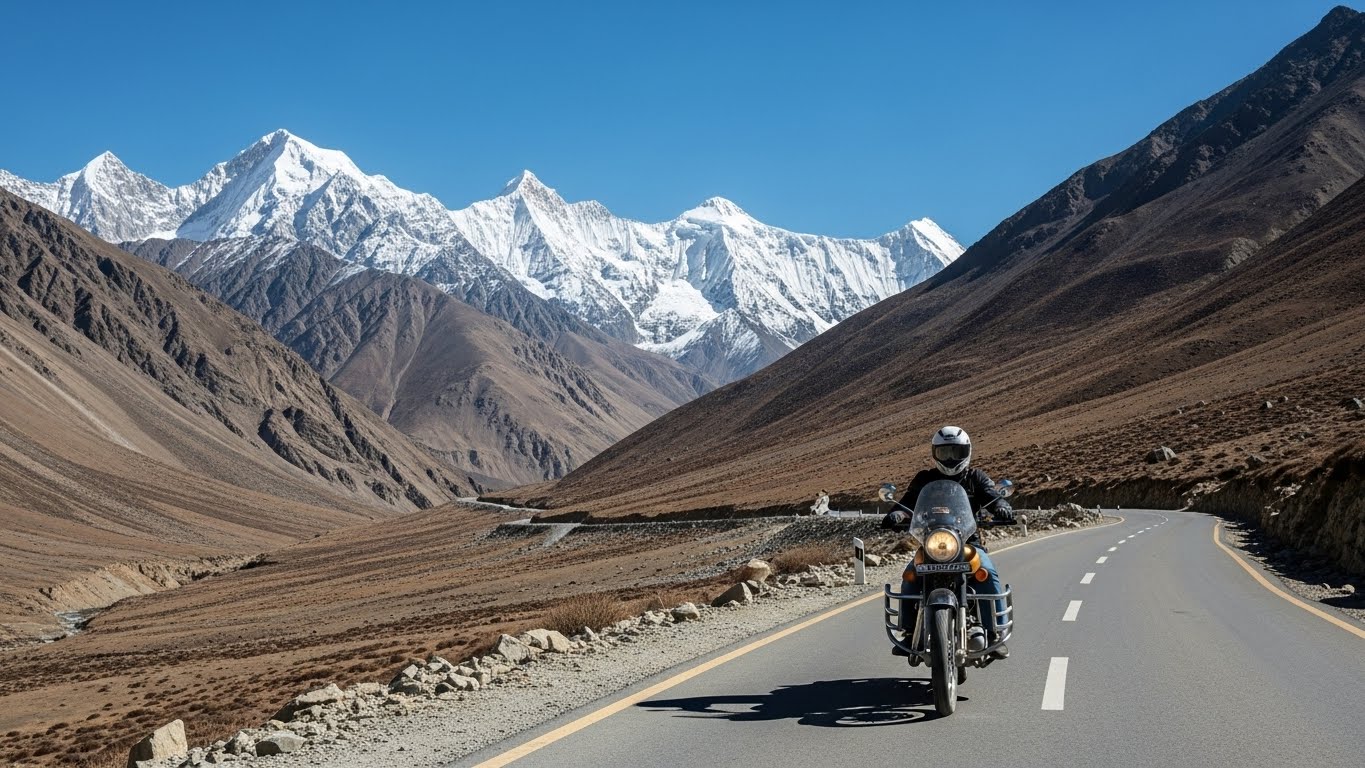
Planning a Spiti Valley motorcycle trip package offers an extraordinary opportunity to explore one of India’s most stunning high-altitude destinations. Nestled in the Trans-Himalayan region of Himachal Pradesh, Spiti Valley beckons adventure enthusiasts with its rugged terrain, ancient monasteries, and pristine mountain landscapes. Whether you’re a seasoned motorcycler or a first-time adventurer, choosing the right motorcycle trip package ensures you experience the valley’s raw beauty while minimizing your environmental impact and supporting local communities.
KEY TAKEAWAYS
- Spiti Valley motorcycle trips typically range from 7 to 12 days, covering routes through Manali-Kaza-Shimla or circular loops via Kinnaur
- Eco-conscious motorcycle trip packages prioritize sustainable practices, community homestays, and responsible waste management throughout the journey
- The best riding season is June to September, with costs varying based on motorcycle type, accommodation choices, and group size
Understanding Spiti Valley Motorcycle Trip Package Options
Different motorcycle trip packages cater to varying skill levels, time constraints, and budgets, offering routes that showcase Spiti’s diverse landscapes and cultural heritage.
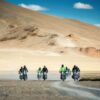
When selecting a Spiti Valley motorcycle trip package, you’ll encounter several route options that each offer unique experiences. The classic Manali to Spiti circuit covers approximately 700-800 kilometers and takes riders through high mountain passes like Kunzum La and Rohtang Pass. Alternative routes include the Kinnaur-Spiti loop, which provides gentler ascents and showcases the transition from lush valleys to cold desert terrain. Mountain biking expeditions organized by responsible tour operators ensure safety with experienced guides, support vehicles, and properly maintained motorcycles. Most packages include accommodation, meals, permits, and mechanical support, allowing you to focus on the breathtaking journey ahead. For those seeking deeper cultural immersion, extended packages incorporate monastery visits, interactions with local communities, and opportunities to understand Spiti’s unique ecosystem.
Spiti Valley Motorcycle Trip Cost: What to Expect
The cost of your Spiti motorcycle adventure varies based on duration, motorcycle choice, accommodation type, and whether you opt for guided or self-supported tours.
Understanding the Spiti Valley motorcycle trip cost helps you budget effectively for this Himalayan adventure.Motorcycle under 500cc will cost in the range 1500-2500 per day.
Best Routes and Itineraries for Motorcycle Trips
Popular routes through Spiti Valley offer varying levels of difficulty, scenic diversity, and cultural experiences tailored to different rider preferences.
The most popular route begins in Manali, crosses Rohtang Pass (3,978m) and Kunzum Pass (4,551m), and descends into the Spiti Valley via Losar and Kaza. This classic circuit typically spans 8-10 days and includes stops at Key Monastery, Kibber village, Dhankar Monastery, and Pin Valley. An alternative route starts from Shimla, traverses Kinnaur via Sangla and Kalpa, enters Spiti through Nako and Tabo, and exits via Manali. According to recent travel data, approximately 60% of motorcyclers prefer the Shimla-Spiti-Manali route for its gradual acclimatization and diverse landscapes. Kinnaur to Manali safari packages combine comfortable vehicle transfers with strategic biking segments, ideal for riders seeking balanced adventure. Advanced motorcyclers often choose circular routes covering both Kinnaur and Spiti in 7-8 days, allowing comprehensive exploration. Each route presents unique challenges including high-altitude riding, water crossings, and unpaved sections that require technical skills and physical endurance.
Essential Preparation and Safety Considerations
Proper preparation including physical fitness, altitude acclimatization, and appropriate gear ensures a safe and enjoyable biking experience in high-altitude terrain.
Successful Spiti Valley motorcycle trips require thorough preparation starting weeks before departure. Physical conditioning should include cardiovascular exercises and leg strengthening to handle long riding days at high altitudes. Acclimatization is critical, as routes reach elevations above 4,500 meters where altitude sickness poses real risks. Most responsible tour operators build rest days into itineraries and carry oxygen cylinders for emergencies. Essential riding gear includes DOT-approved helmets, riding jackets with armor, knee guards, gloves, and sturdy boots. Since weather in the Himalayas changes rapidly, pack layered clothing including thermal wear, waterproof jackets, and sun protection. Understanding Spiti’s geography and climate helps riders prepare mentally and physically.
Eco-Friendly Practices for Responsible Biking
Adopting sustainable practices during your motorcycle trip protects Spiti’s fragile ecosystem while supporting local communities and preserving cultural heritage.
Spiti Valley’s delicate high-altitude ecosystem requires conscious efforts from every visitor to minimize environmental impact. Responsible motorcycle trip packages emphasize Leave No Trace principles, ensuring all waste is carried back to proper disposal facilities. Plastic bottles and packaging should be avoided; instead, use refillable water bottles and eco-friendly alternatives. Supporting local homestays and community-run guesthouses directly benefits Spiti’s residents and provides authentic cultural experiences. Research indicates that community-based tourism generates 40% more income for local families compared to corporate-owned establishments. Choose tour operators who employ local guides, source food from village producers, and contribute to conservation projects. Fixed departure tours with smaller group sizes reduce environmental stress on campsites and villages. Respect wildlife by maintaining safe distances and avoiding loud noises that disturb animals in their natural habitat. By traveling responsibly, motorcyclers help preserve Spiti’s pristine beauty for future generations while creating meaningful economic opportunities for its communities.
When to Plan Your Spiti Valley Motorcycle Trip
Spiti Valley welcomes bikers year-round with distinct summer and winter experiences, each offering unique adventures and scenic beauty.
Spiti Valley offers bike trips throughout the year, with summer and winter seasons providing vastly different yet equally captivating experiences. Summer expeditions from May or June to October showcase the valley at its most accessible, with mountain passes open and temperatures ranging from 15-25°C during the day. This season reveals blooming wildflowers, lush green valleys at lower altitudes, crystal-clear skies perfect for photography, and vibrant cultural festivals in local villages. The landscape transforms from snow-capped peaks in early summer to golden autumn hues by October, offering diverse visual experiences throughout the season.
Winter adventures from November to April provide a magical snow-covered wonderland experience for intrepid travelers seeking something extraordinary. The winter months transform Spiti into a pristine white paradise, offering unique opportunities to witness the valley’s raw beauty under a blanket of snow. This season is perfect for those seeking solitude, dramatic winter landscapes, and authentic interactions with local communities as they navigate their traditional winter lifestyle. Temperature variations are significant year-round, making proper gear essential for any season you choose. Plan your booking at least 3-4 months in advance for popular departure dates, especially if choosing sustainable tour operators with limited group sizes. Official tourism resources provide updated information on road conditions and permit requirements throughout the year.
CONCLUSION
Embarking on a Spiti Valley motorcycle trip package represents more than just an adventure—it’s an opportunity to connect with pristine Himalayan landscapes, ancient Buddhist culture, and welcoming local communities. By choosing responsible tour operators who prioritize sustainability and community welfare, your journey contributes positively to this fragile mountain ecosystem. Whether you’re drawn by the thrill of high-altitude riding, the serenity of ancient monasteries, or the warmth of Spitian hospitality, proper planning ensures a memorable and meaningful experience. Start preparing today, respect the mountains, and let Spiti’s raw beauty transform your perspective on adventure travel.
Ready to begin your Spiti adventure? Explore eco-friendly motorcycle trip packages that align with your values and support local communities while experiencing the journey of a lifetime.
FREQUENTLY ASKED QUESTIONS (FAQ)
What is included in a typical Spiti Valley Motorcycle trip package?
Most Spiti Valley bike trip packages include accommodation, meals, permits, experienced guides, and mechanical support. Motorcycle rental is additional and available at competitive rates. Premium packages may also offer comfortable homestays and local dining experiences, insurance coverage, and emergency assistance throughout the journey for a comprehensive adventure experience.
How difficult is biking in Spiti Valley for beginners?
Spiti Valley biking presents moderate to high difficulty due to high altitudes, unpaved roads, and challenging terrain. Beginners should have basic riding skills, reasonable fitness levels, and choose guided tours with gradual itineraries. Introductory Spiti tours offer shorter distances with adequate rest days for acclimatization.
What permits are required for a Spiti Valley Motorcycle trip?
Indian nationals do not require any permits to visit Spiti Valley. Foreign nationals need inner line permits for certain border villages, which can be obtained from Kaza SDM office or through registered tour operators.
Can I rent a Motorcycle in Spiti Valley instead of bringing my own?
Yes, bike rentals are available in Chandigarh, the common starting point for Spiti trips, which is convenient for travelers from across India. Motorcycles under 500cc are most popular.Reputable rental agencies provide well-maintained motorcycles and helmets for your journey.
How many days should I allocate for a complete Spiti Motorcycle trip?
A complete Spiti Valley motorcycle trip typically requires 7-12 days depending on your chosen route and pace. Standard Shimla – Kaza- Manali circuits take 8-10 days, while comprehensive explorations including side valleys and trekking opportunities may extend to 12-14 days for thorough exploration.
What medical precautions should I take before a Spiti Motorcycle trip?
Consult your doctor about altitude sickness medication like Diamox, ensure tetanus vaccination is current, and carry a comprehensive first-aid kit. Maintain good hydration, avoid alcohol during acclimatization, and inform your tour guide immediately about any health concerns or discomfort experienced during the trip.
Are there ATMs and mobile network coverage in Spiti Valley?
ATMs are limited to major towns like Kaza and Tabo, often running out of cash during peak season. Mobile connectivity is sporadic, with Jio and Airtel offering the most reliable coverage. Carry sufficient cash for the entire trip and inform family about limited communication availability throughout the journey.
What kind of accommodation can I expect during the Motorcycle trip?
Accommodation options range from basic guesthouses and homestays to comfortable hotels in larger villages. Community-based homestays offer authentic cultural experiences while supporting local families. Camping options are available in remote areas, providing closer connection with pristine Himalayan landscapes.
How can I make my Spiti Motorcycle trip more environmentally friendly?
Choose eco-conscious tour operators, avoid single-use plastics, carry reusable water bottles, respect local customs, and support community businesses. Participate in local conservation initiatives, follow designated trails, and ensure all waste is properly disposed of to preserve Spiti’s fragile ecosystem.
What is the average fuel consumption and availability on Spiti routes?
Motorcycles under 500cc typically consume 25-35 km per liter on mountain terrain. Fuel stations are available in major towns along the route including Chandigarh, Kaza, Tabo, and Manali, with long gaps between stations. Always fill up whenever possible and carry spare fuel if advised by guides.