




Plan Your Perfect Spiti Valley Tour from Delhi
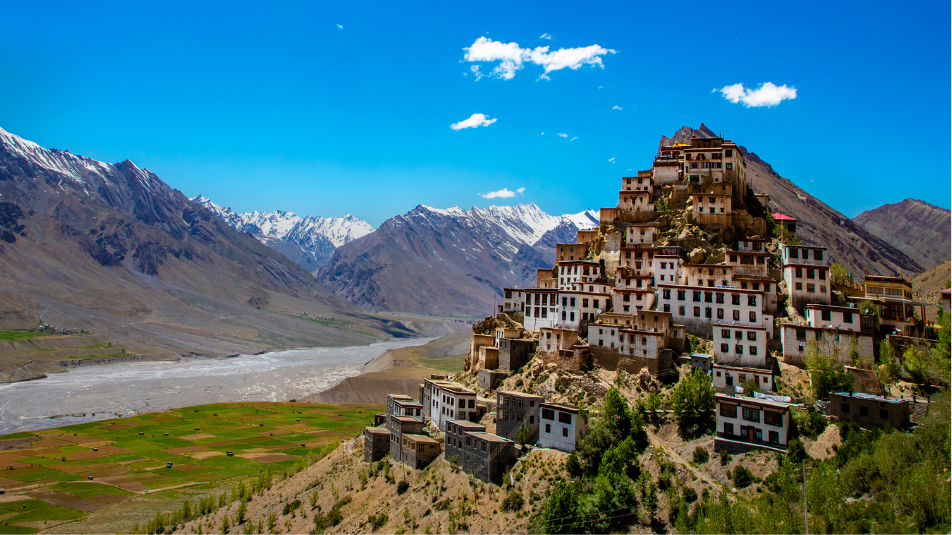
Planning a Spiti Valley tour from Delhi opens the door to one of India’s most breathtaking high-altitude destinations. This remote Himalayan valley, known for its stark beauty, ancient monasteries, and vibrant local culture, attracts travelers seeking authentic experiences away from crowded tourist circuits. Whether you’re considering a Spiti Valley tour package from Delhi or exploring group travel options, understanding the essentials of this journey ensures a meaningful and responsible adventure. This comprehensive guide walks you through everything you need to know, from the best travel times to sustainable practices that protect this fragile ecosystem while supporting local communities.
Key Takeaways
- Optimal Timing: Summer (April–Oct): Open roads, festivals & pleasant weather. Winter (Nov–March): Snow landscapes, frozen rivers & raw beauty
- Route Planning: Choose between the Manali route (shorter, open from June–Oct) and Shimla-Kinnaur route (scenic, open all year-round) based on your comfort level and travel dates.
- Sustainable Travel: Embrace responsible tourism practices that minimize environmental impact and directly support local communities through homestays and eco-friendly initiatives.
Why Choose a Spiti Valley Tour from Delhi?
Delhi serves as the perfect starting point for exploring Spiti Valley, offering excellent connectivity, diverse route options, and convenient access to this high-altitude desert.
Starting your Spiti Valley trip package from Delhi provides strategic advantages that enhance your travel experience. The capital’s well-connected transport network allows you to choose between road journeys via Manali or Shimla, overnight bus services, or flights to nearby airports like Chandigarh or Kullu. This flexibility lets you customize your itinerary based on available time, budget, and preferred travel style. Delhi-based travelers also benefit from numerous tour operators offering comprehensive packages, making it easier to find options that align with sustainable tourism principles. The journey itself transforms into an adventure as you gradually ascend from bustling plains to serene mountain landscapes, allowing your body to acclimatize naturally to high altitudes while witnessing dramatic geographical transitions.
Best Time to Plan Your Spiti Valley Tour Package from Delhi
Spiti Valley welcomes travelers year-round, with each season offering unique experiences and distinct landscapes that showcase the region’s remarkable diversity.
A Spiti Valley group tour from Delhi can be enjoyed throughout the year, with different seasons revealing varied facets of this Himalayan gem. May and June bring mild weather with blooming wildflowers and open roads after winter thaw, making it perfect for first-time visitors seeking accessible travel. July and August coincide with monsoon season in most of India, but Spiti’s rain shadow location means minimal rainfall and lush green valleys—a rare sight in this high-altitude desert. September and October showcase stunning autumn colors with crystal-clear skies ideal for photography and stargazing. Winter months from November to April transform Spiti into a magical snow-covered wonderland, offering extraordinary experiences like snow leopard tracking expeditions, witnessing frozen waterfalls, experiencing authentic village life during festive seasons, and enjoying the serene beauty of snow-blanketed monasteries—perfect for adventure enthusiasts seeking unique winter Himalayan experiences.
Spiti Valley Group Tour vs. Solo Travel: Making the Right Choice
Deciding between joining a group tour or traveling independently depends on your experience level, budget constraints, and desire for structured versus flexible exploration.
A Spiti Valley tour package from Delhi through organized groups offers significant advantages, especially for first-time Himalayan travelers. Group tours handle logistics including permits, accommodation bookings in remote areas, experienced drivers familiar with challenging mountain roads, and knowledgeable guides who share insights about local culture and history. These tours also prove more cost-effective when expenses for vehicles, fuel, and accommodation are shared among participants. Solo travelers enjoy greater freedom to modify itineraries spontaneously, spend more time in preferred locations, and engage more deeply with local communities at their own pace. However, solo travel requires thorough research, higher budgets, and confidence navigating high-altitude terrain. For those seeking middle ground, joining small group tours with responsible operators like Spiti Ecosphere combines structured support with intimate experiences and meaningful community interactions.
Must-Visit Destinations on Your Spiti Tour
Spiti Valley encompasses numerous villages, monasteries, and natural wonders that showcase the region’s unique cultural heritage and stunning Himalayan landscapes.
Key highlights of any comprehensive Spiti tour include Kaza, the valley’s administrative center offering modern amenities amid traditional architecture; Key Monastery, a thousand-year-old Buddhist center perched dramatically on a hilltop; Kibber, one of the world’s highest inhabited villages at 4,205 meters; and Chandratal Lake, a pristine crescent-shaped water body reflecting surrounding peaks. Don’t miss Dhankar Monastery balanced precariously between two mountains, the ancient mummy at Gue village, and Pin Valley National Park for potential snow leopard sightings. Each destination tells stories of resilience, spirituality, and adaptation to extreme conditions. Understanding Spiti’s unique geography and culture enhances appreciation for these sites beyond mere sightseeing, transforming your journey into meaningful cultural exchange rather than passive tourism.
Sustainable Travel Practices for Your Spiti Valley Trip Package
Responsible tourism ensures that Spiti Valley’s fragile ecosystem and traditional communities thrive while welcoming visitors who respect and contribute to local well-being.
Embracing sustainable travel practices during your Spiti tour protects this pristine environment for future generations while providing authentic experiences. Choose homestays over hotels to directly support local families, participate in community-run initiatives, and learn about traditional lifestyles firsthand. Minimize plastic usage by carrying reusable water bottles and bags, properly dispose of all waste following Leave No Trace principles, and never litter in this water-scarce region where waste management remains challenging. Respect local customs by dressing modestly when visiting monasteries, seeking permission before photographing people, and participating in cultural activities with genuine interest rather than voyeurism. Support local economies by purchasing handicrafts directly from artisans, eating at family-run restaurants, and hiring local guides. According to recent studies, community-based tourism generates 60% more income for local residents compared to conventional tourism models, making your responsible choices directly impactful.
Essential Preparations for Your Delhi to Spiti Journey
Proper preparation covering health, documentation, packing, and acclimatization strategies ensures a safe and enjoyable high-altitude adventure.
Before embarking on your Spiti Valley tour from Delhi, complete several crucial preparations. Obtain necessary permits for restricted areas like Nako and other border villages from the District Commissioner’s office in Kaza or arrange through your tour operator. Consult your doctor about altitude sickness prevention, carry prescribed medications including Diamox if recommended, and ensure comprehensive travel insurance covering high-altitude regions. Pack layered clothing for temperature variations ranging from sunny afternoons to freezing nights, sturdy trekking shoes, sunscreen with high SPF, sunglasses, and a good quality water bottle. Plan a gradual ascent allowing your body to acclimatize—spending a night in Manali or Shimla before heading higher significantly reduces altitude sickness risks. Download offline maps since mobile connectivity remains sporadic, carry sufficient cash as ATMs are limited, and inform family about your itinerary. These preparations transform potentially difficult situations into manageable experiences, letting you focus on enjoying rather than surviving the journey.
Accommodation Options: From Homestays to Eco-Lodges
Where you stay in Spiti Valley significantly impacts both your travel experience and your contribution to local community development.
Spiti offers diverse accommodation options catering to different comfort levels and budgets. Traditional homestays provide the most authentic and sustainable choice, allowing you to live with local families, participate in daily activities, taste home-cooked Spitian cuisine, and learn about Buddhist traditions firsthand. These stays typically cost ₹1500-10,000 per night
including meals and directly support household incomes in remote villages. For those seeking slightly more amenities, several community-run guesthouses and eco-lodges operate across major villages, maintaining local architecture while offering modern conveniences like attached bathrooms and hot water. Budget hotels in Kaza provide standard facilities for travelers preferring privacy and independence. Regardless of your choice, prioritize accommodations committed to waste management, water conservation, and community benefit. Explore sustainable accommodation and dining options that align with responsible tourism principles, ensuring your visit contributes positively to Spiti’s economy while minimizing environmental footprint.
Conclusion
A Spiti Valley tour from Delhi offers more than just stunning landscapes and adventure—it presents an opportunity to engage with one of India’s most unique cultural and ecological regions responsibly. By choosing sustainable tour packages, respecting local communities, timing your visit appropriately, and preparing thoroughly, you ensure a transformative experience that benefits both you and the people of Spiti. Whether you opt for a structured Spiti Valley tour package from Delhi or craft an independent itinerary, remember that thoughtful travel creates lasting positive impacts. Start planning your journey today with operators committed to conservation and community development, and discover why Spiti Valley continues to captivate conscious travelers from around the world.
Frequently Asked Questions
What is the best route for a Spiti Valley tour from Delhi?
The two main routes are via Manali (easier and open June-October) or via Shimla-Kinnaur (more scenic and open year-round). Most tours follow Manali to Spiti and return via Shimla for diverse experiences.
How many days do I need for a complete Spiti tour?
A comprehensive Spiti Valley trip package typically requires 7-10 days from Delhi, allowing proper acclimatization and time to explore major attractions. Extended itineraries of 12-14 days permit deeper exploration of remote villages.
Is a Spiti Valley group tour safer than solo travel?
Group tours offer enhanced safety through experienced drivers, established support systems, and shared resources in emergencies. They’re particularly recommended for first-time high-altitude travelers and those unfamiliar with mountain driving conditions.
What permits are required for Spiti Valley?
Indian nationals do not require any permits to visit Spiti Valley. Foreign nationals need inner line permits for certain border villages, which can be obtained from Kaza SDM office or through registered tour operators.
Can I visit Spiti Valley during winter months?
Absolutely! Winter in Spiti offers magical experiences including snow-covered landscapes, snow leopard tracking expeditions, frozen waterfalls, traditional winter festivals, and authentic village life. It’s perfect for photographers and adventure travelers seeking unique winter Himalayan experiences.
What should I pack for a Spiti Valley tour package from Delhi?
Essential items include layered warm clothing, sun protection (high SPF sunscreen, sunglasses, hat), sturdy trekking shoes, reusable water bottle, basic medications, and personal toiletries. Avoid single-use plastics to support environmental conservation.
Are there ATMs and mobile connectivity in Spiti Valley?
Limited ATMs exist in Kaza and Tabo, often running out of cash. Mobile connectivity is sporadic with Jio and Airtel offering best coverage. Carry sufficient cash and download offline resources and maps before traveling.
How can I ensure my Spiti tour supports local communities?
Choose homestays over hotels, hire local guides, purchase handicrafts directly from artisans, eat at family-run restaurants, and book with tour operators committed to community development and environmental conservation like Spiti Ecosphere.
What are the altitude challenges on a Spiti Valley tour from Delhi?
Spiti’s altitude ranges from 3,000 to 4,500 meters, causing potential altitude sickness symptoms like headaches and breathlessness. Gradual ascent, proper hydration, avoiding alcohol initially, and carrying altitude medication help manage these challenges effectively.
Is vegetarian food easily available during the Spiti tour?
Yes, vegetarian food is widely available including traditional Spitian dishes like thukpa, momos, and tsampa. Most homestays and restaurants cater well to vegetarian preferences, with local cooking experiences offering authentic cuisine.
g authentic cuisine.