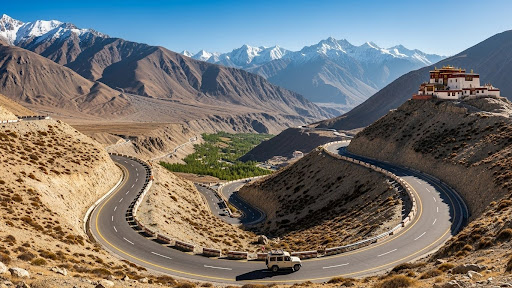




North East Travel Packages: Complete Guide for 2026
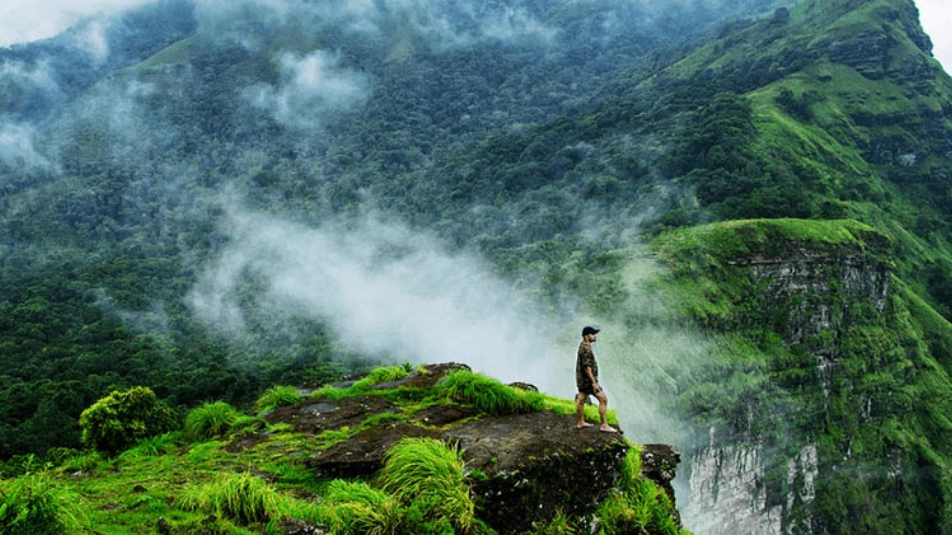
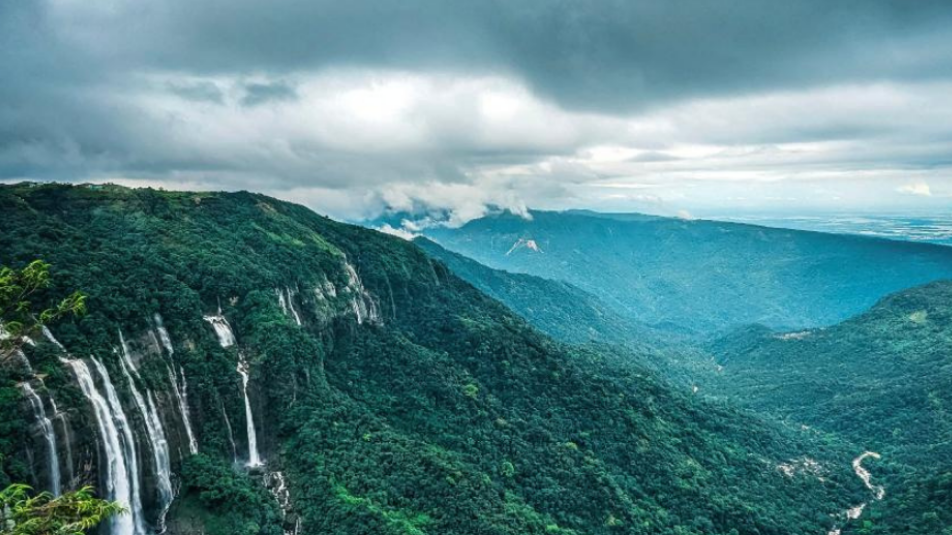
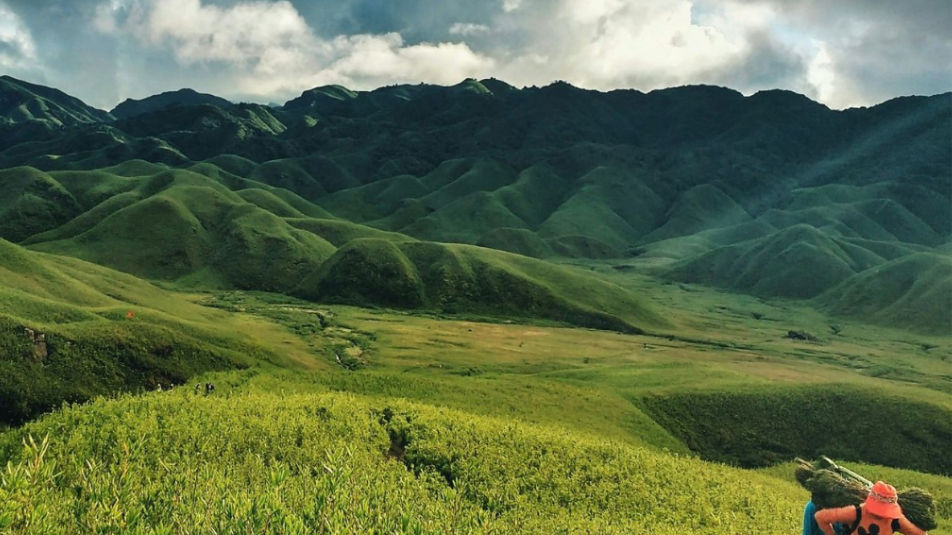
Planning your journey with north east travel packages opens doors to India’s most pristine and culturally rich landscapes. From mist-covered mountains to vibrant tribal communities, North East India offers travelers an unparalleled blend of natural beauty and authentic cultural experiences. This comprehensive guide explores how sustainable holiday packages for north east India can transform your travel into meaningful experiences that benefit both you and local communities while preserving fragile mountain ecosystems.
Key Takeaways
- Sustainable travel packages in North East India prioritize environmental conservation and community engagement over conventional tourism.
- Responsible tour planning includes eco-friendly accommodations, waste management practices, and support for local livelihoods.
- Authentic cultural experiences through homestays and community-led initiatives create lasting impact for travelers and residents alike.
Understanding North East India’s Unique Travel Landscape
North East India remains one of the country’s most underexplored regions, offering travelers a refreshing alternative to crowded tourist circuits. This region encompasses eight states—Arunachal Pradesh, Assam, Manipur, Meghalaya, Mizoram, Nagaland, Sikkim, and Tripura—each with distinct cultures, landscapes, and ecosystems.
When considering a north east india tour plan, travelers discover diverse terrain ranging from subtropical forests to high-altitude mountain passes. The region’s biodiversity rivals any in the world, with rare orchids, endangered wildlife, and pristine river systems. However, this ecological wealth faces increasing pressure from unsustainable tourism practices. Choosing responsible north east travel packages ensures your journey contributes positively to conservation efforts while providing authentic experiences that conventional tours cannot match.
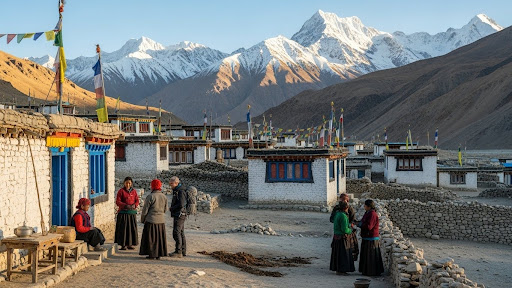
The cultural tapestry of North East India includes over 200 tribal communities, each preserving unique traditions, languages, and crafts. Engaging with these communities through responsible travel initiatives creates meaningful exchanges that benefit local economies. Sustainable tourism models prioritize community-run homestays, local guides, and traditional craft purchases, ensuring tourism revenue directly supports mountain communities.
Why Choose Sustainable Holiday Packages for North East India
Sustainable tourism in mountain regions requires careful planning and commitment to low-impact practices. Unlike standard tour packages that prioritize volume over value, eco-conscious holiday packages for north east India focus on quality experiences that respect environmental limits and cultural sensitivities.
Traditional tourism often leaves negative footprints—plastic waste in pristine valleys, disrupted wildlife habitats, and cultural commodification. Sustainable packages address these concerns through comprehensive waste management, carbon-neutral transportation options, and authentic cultural engagement protocols. For example, community initiatives demonstrate how tourism can actively support environmental conservation and livelihood generation.
Choosing sustainable packages means traveling with organizations that maintain transparent relationships with local communities, ensure fair compensation for services, and invest tourism profits into conservation projects. These packages typically include pre-trip orientation on responsible behavior, partnerships with locally-owned accommodations, and opportunities for travelers to participate in conservation activities. The result is travel that enriches both visitors and host communities while protecting fragile ecosystems for future generations.
Essential Components of a Well-Planned North East India Trip Package
A comprehensive north east india trip package balances adventure, cultural immersion, and environmental responsibility. Here are the critical elements that distinguish exceptional packages from standard offerings:
Accommodation with Purpose
Eco-friendly accommodations form the foundation of sustainable travel packages. Community-run homestays provide authentic experiences while ensuring tourism benefits reach local families directly. These accommodations typically follow strict environmental protocols—composting organic waste, using solar energy, managing water resources carefully, and avoiding single-use plastics. Staying with local families offers insights into daily mountain life, traditional cuisine, and cultural practices that hotels cannot replicate.
Cultural Engagement Programs
Meaningful cultural exchanges happen through structured programs that respect local traditions while providing income opportunities. This might include traditional cooking workshops, craft demonstrations, or participation in seasonal festivals. Such activities should be community-led, with clear protocols ensuring cultural practices aren’t exploited for entertainment. Fixed departure tours often incorporate these elements systematically, ensuring quality interactions between travelers and communities.
Conservation-Focused Activities
The best packages integrate conservation education and action into itineraries. This could involve participating in waste collection drives, learning about biodiversity conservation challenges, or supporting reforestation projects. These activities transform passive sightseeing into active contribution, helping travelers understand their impact while supporting local environmental efforts.
Knowledgeable Local Guides
Experienced local guides enhance travel experiences exponentially, providing context for landscapes, explaining cultural nuances, and ensuring responsible behavior. They serve as bridges between travelers and communities, facilitating meaningful interactions while protecting cultural sensitivities. Quality packages invest in guide training, ensuring they understand both visitor expectations and conservation principles.
Planning Your North East India Tour: Practical Considerations
Successful north east india tour plan development requires understanding the region’s unique characteristics and challenges. Here’s what travelers should consider:
Best Travel Seasons
North East India’s climate varies significantly across states and altitudes. Generally,October to April offers pleasant weather with blooming rhododendrons and clear mountain views. September to November provides post-monsoon freshness with excellent visibility. Winter months (December to February) suit those seeking snow experiences in higher altitudes, though some remote areas become inaccessible. Monsoon season (Mid April – September) brings heavy rainfall, making certain regions challenging but offering lush landscapes and fewer crowds.

Permit Requirements and Documentation
Several North East states require special permits for domestic and international travelers. Arunachal Pradesh and Nagaland both mandate Inner Line Permits (ILP) for all visitors, including Indian citizens. Mizoram also requires ILP for non-residents. Additionally, foreign nationals need Protected Area Permits (PAP) or Restricted Area Permits (RAP) for certain regions across the North East. Responsible tour operators handle these formalities, but travelers should provide required documents well in advance. Always carry multiple ID proofs and permit copies during travel.
Responsible Packing Essentials
Packing for North East travel requires balancing comfort with environmental responsibility. Essential items include:
- Reusable water bottles with purification options (avoiding single-use plastic bottles)
- Biodegradable toiletries and sunscreen (chemical sunscreens damage fragile ecosystems)
- Appropriate clothing for varying altitudes and weather conditions
- Basic medical supplies and altitude sickness medication for high-altitude regions
- Reusable bags for shopping and waste collection
- Power banks and solar chargers (electricity can be intermittent)
Budget Considerations
Sustainable north east travel packages vary in cost based on duration, activities, and accommodation standards. Generally, expect to invest more than conventional packages, but understand this premium supports fair wages, environmental protection, and community development. Budget ranges typically span ₹30,000 to ₹40,000 per person for week-long packages, depending on remoteness, activities included, and group size. The investment ensures meaningful experiences and positive impact, making it worth every rupee.
Maximizing Your North East Travel Experience
To truly benefit from holiday packages for north east India, travelers should approach journeys with open minds and flexible expectations. Mountain travel involves uncertainties—weather changes, road conditions, and limited connectivity are par for the course. Embracing these aspects rather than resisting them leads to richer experiences.
Pre-Trip Preparation
Research your destination thoroughly, understanding local customs, environmental challenges, and cultural sensitivities. Learn basic phrases in local languages—even simple greetings create positive connections. Familiarize yourself with responsible travel guidelines, particularly regarding photography, waste disposal, and cultural interactions. Mental preparation for basic facilities, limited internet access, and slow-paced travel prevents disappointment and fosters appreciation for authentic experiences.
During Your Journey
Engage actively with local communities, asking questions respectfully and showing genuine interest in their lives. Support local economies by purchasing directly from artisans and choosing locally-owned services. Follow Leave No Trace principles religiously—pack out all waste, stick to designated trails, and minimize campfire impacts. Respect wildlife by maintaining safe distances and avoiding feeding animals. Document your journey responsibly, always seeking permission before photographing people or sacred sites.
Post-Trip Impact
Extend your journey’s impact by sharing experiences responsibly, promoting sustainable travel options, and maintaining connections with communities visited. Consider making donations to local conservation organizations or supporting community initiatives you encountered. Provide constructive feedback to tour operators, helping them improve responsible travel practices. Your advocacy for sustainable tourism influences others, multiplying positive impacts far beyond your own journey.
Conclusion
Choosing north east travel packages that prioritize sustainability and community welfare transforms travel from consumption to contribution. North East India’s extraordinary landscapes and vibrant cultures deserve protection and respect, which responsible tourism practices provide. By selecting eco-friendly travel experiences, you become part of a growing movement that proves tourism can benefit both travelers and host communities while preserving precious ecosystems. Start planning your meaningful North East India journey today, and discover how sustainable travel creates experiences that resonate long after you return home.
Frequently Asked Questions
What makes north east travel packages different from regular tour packages?
Sustainable north east travel packages emphasize environmental conservation, community engagement, and cultural respect. They include eco-friendly accommodations, local guides, waste management protocols, and activities that support conservation efforts rather than exploit natural resources.
When is the best time to book holiday packages for north east India?
The ideal time is October to April when weather conditions are favorable. Booking 2-3 months in advance ensures availability, especially for community homestays and fixed departure tours during peak seasons.
How long should a north east india tour plan typically be?
A comprehensive north east india tour plan requires minimum 7-10 days to explore one or two states properly. Longer durations of 2-3 weeks allow deeper cultural immersion and exploration of multiple states while maintaining sustainable, slow-travel principles.
Are north east india trip packages suitable for families with children?
Yes, many sustainable packages accommodate families, though age-appropriate itinerary adjustments may be necessary. Community homestays offer safe, welcoming environments, and activities can be tailored for children while maintaining educational and conservation focus.
What permits are required for north east travel packages?
Requirements vary by state. Arunachal Pradesh, Nagaland, and Mizoram require Inner Line Permits for all visitors including Indian citizens. Foreign nationals additionally need Protected Area Permits or Restricted Area Permits for certain regions. Responsible tour operators handle permit arrangements, but travelers must provide required documentation 2-3 weeks before departure.
How do sustainable holiday packages for north east India support local communities?
These packages ensure fair compensation for local services, partner with community-run accommodations, hire local guides, and invest profits into community development projects. Direct economic benefits reach families hosting travelers, supporting sustainable livelihoods.
What should I pack for a north east india trip package?
Essential items include reusable water bottles, biodegradable toiletries, layered clothing for varying temperatures, basic medical supplies, power banks, and reusable bags. Pack light, avoiding single-use plastics and items that generate waste.
Can I customize my north east travel packages based on specific interests?
Most responsible tour operators offer customization while maintaining sustainability principles. Whether interested in bird-watching, trekking, cultural immersion, or photography, packages can be tailored to incorporate conservation practices and community engagement.
How much do sustainable north east travel packages typically cost?
Prices range from ₹30,000 to ₹40,000 per person for week-long packages, depending on duration, activities, accommodation standards, and remoteness. Higher costs reflect fair wages, quality experiences, and investment in conservation and community development.
What distinguishes north east india tour plan from Himalayan region tours?
While both offer mountain landscapes and cultural richness, North East India provides greater ethnic diversity, subtropical to alpine ecosystems, and less tourist infrastructure. Both regions benefit from similar sustainable tourism approaches emphasizing community engagement and environmental protection.